


-

Add: HeBei ShengShi HongBang Cellulose Technology CO.,LTD.
-

Email
13180486930@163.com -

CONTACT US
+86 13180486930




Xylem fiber , a naturally occurring, renewable material sourced from wood, has emerged as a cornerstone in the global shift toward sustainable manufacturing. Derived from the fibrous tissues of trees, this organic flocculent material undergoes advanced chemical and mechanical treatments to enhance its properties for industrial applications. As industries increasingly prioritize environmental responsibility, wood cellulose and cellulose wood fibers like xylem fiber are redefining traditional practices in construction, road infrastructure, and beyond. This article explores the unique features, technical specifications, and real-world applications of xylem fiber, while highlighting the role of HeBei ShengShi HongBang Cellulose Technology CO.,LTD. , the company behind this innovative solution. Core Features of Xylem Fiber Xylem fiber is distinguished by its fibre made from wood pulp composition, which combines natural strength with biodegradability. The material is processed through cellulose extraction from wood techniques, resulting in a product that balances durability and environmental compatibility. Key features include: Eco-Friendly Composition: Xylem fiber is entirely biodegradable, reducing reliance on synthetic materials and minimizing landfill waste. High Strength-to-Weight Ratio: The fiber’s structural integrity enhances the performance of composite materials without adding excessive weight. Moisture Absorption: Its absorbent properties make it ideal for applications requiring liquid retention, such as wood cellulose sponges. Thermal Stability: Xylem fiber maintains its properties under varying temperature conditions, ensuring reliability in diverse environments. Advantages in Industrial Applications The versatility of cellulose wood fibers has led to their adoption in multiple sectors. Below are key advantages and use cases: Construction Sector Xylem fiber is a game-changer in concrete and gypsum production. By incorporating xylem fiber into concrete mixes, engineers can improve compressive strength and durability while reducing the need for traditional aggregates like sand and gravel. According to the National Institute of Standards and Technology (NIST) , sustainable materials like xylem fiber are critical for reducing the carbon footprint of construction projects. Similarly, in gypsum products, xylem fiber enhances workability and structural integrity, making it a preferred choice for drywall and insulation panels. Asphalt Industry In road construction, xylem fiber acts as a reinforcing agent , improving the resilience of asphalt. This application extends the lifespan of roads and reduces maintenance costs. The material’s ability to absorb stress and distribute load evenly makes it an ideal solution for high-traffic areas. Medium Density Fiberboard (MDF) Xylem fiber is a primary ingredient in MDF production, where it contributes to the material’s sturdiness and smooth finish. This makes it a popular choice for furniture and interior design, offering a sustainable alternative to particleboard. Household and Industrial Products The fiber’s absorbent nature is leveraged in the manufacturing of wood pulp sponges , which are biodegradable and safe for household use. Additionally, its cellulose extraction from wood properties make it suitable for packaging materials, reducing plastic dependency. Technical Specifications Table Parameter Specification Material Source Wood pulp (Xylem tissue) Cellulose Content 70-85% (varies by processing) Moisture Absorption Up to 150% of its weight Thermal Stability Resists degradation up to 200°C Biodegradability Completely biodegradable in 6-12 months Application Concrete, asphalt, MDF, sponges, packaging Company Background: HeBei ShengShi HongBang Cellulose Technology CO.,LTD. As a leader in sustainable material innovation, HeBei ShengShi HongBang Cellulose Technology CO.,LTD. has dedicated itself to advancing the use of wood cellulose and cellulose wood fibers . The company’s commitment to eco-friendly practices is reflected in its state-of-the-art processing facilities, which ensure minimal environmental impact during cellulose extraction from wood . With a focus on research and development, HeBei ShengShi HongBang has partnered with industry experts to optimize xylem fiber’s performance for global markets. The company’s products are exported to over 30 countries, with a strong presence in Asia, Europe, and North America. By aligning with international sustainability standards, HeBei ShengShi HongBang has positioned itself as a trusted supplier of renewable resources. Its transparent supply chain and adherence to quality control protocols further reinforce its reputation in the industry. Environmental and Economic Impact The adoption of xylem fiber contributes to responsible forestry practices , as the material is sourced from sustainably managed forests. According to NIST, the integration of renewable resources like xylem fiber can reduce greenhouse gas emissions by up to 40% compared to conventional materials. This aligns with global efforts to combat climate change and promote circular economies. From an economic standpoint, xylem fiber offers cost-effective solutions for manufacturers. Its ability to replace expensive synthetic additives while maintaining product quality makes it a viable option for businesses seeking to reduce costs without compromising performance. Additionally, the material’s biodegradability reduces waste management expenses, further enhancing its appeal. Future Prospects and Innovations As industries continue to prioritize sustainability, the potential of xylem fiber is expected to expand. Researchers are exploring advanced applications, such as biodegradable plastics and composite materials for aerospace and automotive sectors. HeBei ShengShi HongBang is actively involved in these developments, investing in R&D to unlock new possibilities for cellulose wood fibers . The company also emphasizes eco-friendly packaging solutions, which are gaining traction in response to growing consumer demand for sustainable products. By leveraging xylem fiber’s unique properties, HeBei ShengShi HongBang is poised to lead the next wave of innovation in green technology. Conclusion Xylem fiber represents a paradigm shift in material science, offering a sustainable alternative to traditional resources. Its multifunctional properties, combined with the expertise of HeBei ShengShi HongBang Cellulose Technology CO.,LTD. , make it a vital component in the transition toward eco-conscious manufacturing. As industries embrace renewable materials, xylem fiber will continue to play a pivotal role in shaping a greener future.
- 40000tons

Production
- 20+years

Experience
- 5000+㎡

Acreage

-
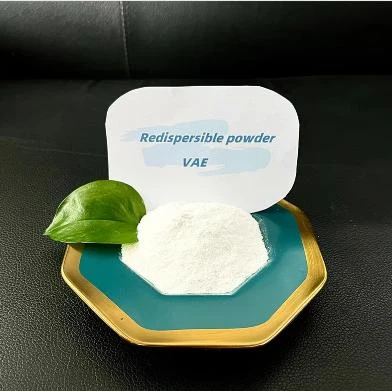
When weighing the benefits of HPMC (Hydroxypropyl Methylcellulose) against HEMC (Hydroxyethyl Methylcellulose), it is essential to delve into both substances' unique characteristics, applications, and roles. My insights are drawn from extensive experience in product formulation and material science. HPMC and HEMC have carved niches in various industries due to their versatile applications. Both are cellulose derivatives, commendably known for their solubility in water, non-toxicity, and biodegradability. However , their varying functionalities make them apt for specific usages. HPMC is widely acclaimed in the construction industry, serving as an excellent thickening agent, adhesive, and binder in cement and mortar applications. Its extensive use is attributed to its ability to improve workability, water retention, and bonding strength. Not only does it stabilize mixture components, but it also significantly reduces sagging in vertical applications. Such proficiency makes HPMC a preferred choice for tile adhesives, plasters, and renders. Conversely, HEMC shines prominently in the paint and coating industry. Its significant attribute is its exceptional thickening efficiency, which leads to improved application properties and ensures uniform film thickness. HEMC's modified etherification process imbues it with unique pseudoplastic and thixotropic properties, which are pivotal in providing superior stability and rheological control in paints. As a result, HEMC prevents sagging and running of paints, ensuring a smooth and even finish. A defining characteristic distinguishing HPMC from HEMC is their thermal gelation temperature. HPMC typically exhibits a higher thermal gelation temperature, which is advantageous in situations demanding hot environment stability. Therefore, for applications requiring film formation upon heating, such as in thermal bonding, HPMC is more suitable due to its consistent performance under elevated temperatures. hpmc vs hemc In pharmaceutical applications, both HPMC and HEMC find their place, though HPMC holds a dominant presence. HPMC is utilized extensively in tablet formulations as a binder, film former, and controlled release agent. Its ability to form strong, flexible films allows for the effective encapsulation of active ingredients, ensuring sustained release. The inert nature of HPMC ensures it does not interact adversely with drugs, preserving their efficacy. While HEMC is not entirely left out of pharmaceutical applications, its use is more circumspect. It finds use where specific pH sensitivity or unique viscoelastic properties are required. Additionally, in personal care products, the lower surface tension imparted by HEMC aids in the formulation of creams and lotions, providing a desirable sensory experience. The exploration of eco-friendly, sustainable solutions puts both HPMC and HEMC at an advantage due to their cellulose backbone. Nonetheless, manufacturers' choice between the two often aligns with the precise needs of the end product. Commercially, HPMC might offer broad-spectrum utility; however, HEMC’s specialization makes it indispensable in niche market segments. In conclusion, the decision between HPMC and HEMC should be informed by the specific application, consumer requirements, and desired outcome. A meticulous evaluation of their properties aligned with industry needs often informs judicious selection. As market demands evolve towards sustainability and performance, both HPMC and HEMC are positioned as integral components across industries, offering unparalleled benefits tailored to their respective roles.
-
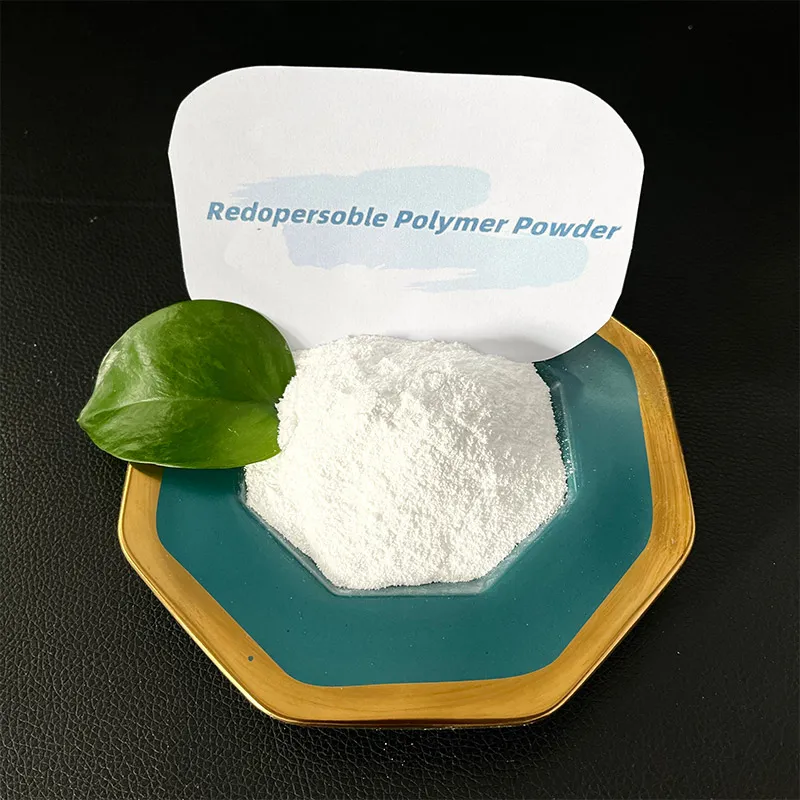
Hebei ShengShi HongBang Cellulose Technology Co., Ltd., located in the Xinji Provincial Clean Chemical Industry Park in Hebei Province, is a distinguished manufacturer specializing in Hydroxypropyl Methylcellulose (HPMC). As part of the Beijing Tianjin Hebei metropolitan area, the company prides itself on leveraging advanced technology and high-quality materials to produce HPMC, which finds extensive applications in various sectors, particularly construction. HPMC is a crucial additive widely recognized for its properties that enhance the performance of construction materials, such as adhesive mortar, mortar plaster, and insulation materials. The company is committed to continuous innovation and meeting the evolving needs of the industry, ensuring that its products deliver excellent quality and performance. Adhesive mortars are one of the primary applications of HPMC, wherein a specific dosage of hydroxypropyl methylcellulose, typically ranging from 1.5 to 2.5 kg per ton, is incorporated into the mixture to achieve optimal performance. This mortars are mechanically blended with cement, quartz sand, and polymer binders combined with various additives to create a reliable adhesive for bonding insulation boards. Known as polymer insulation board adhesive mortar, it is formulated using high-quality modified special cements and various high-molecular weight materials that provide superior water retention and exceptional bonding strength. This adhesive type is crucial in the construction industry, especially in ensuring energy efficiency and thermal performance in buildings by effectively adhering insulation materials to the substrate. Furthermore, mortar plaster, another vital application of HPMC, necessitates precise formulation to meet specific functional requirements. The dosage of hydroxypropyl methyl cellulose added can range from 2 to 3 kg per ton, with a viscosity of 200,000. This versatile material can be categorized into various types, such as ordinary plaster, decorative plaster, or specialized function. Our philosophy is Reject traditional malicious adulteration! Reject uneven product quality from batch to batch! Reject shirking of quality issues! Do you want to try exporting? We specialize in cellulose product, We can provide you with a perfect experience~ Welcome to Contact me!!
advantages
-

200000 Viscosities
Excellent product
We can produce pure products up to 200,000 viscosities
-

40000 tons
High yield
We don’t stop production all year round, and the annual output can reach 40,000 tons
-

24 hours
Quality service
We provide 24-hours online reception service, welcome to consult at any time
———— Inquiry Form
Schedule A services

-
 hpmc_properties
Oct . 25, 2025
In the realm of construction and architecture, building coating adhesives have become an essential c -
 hydroxypropyl_methylcellulose_2910
Oct . 25, 2025
Navigating the Complex World of Rubber Powder Buyers Rubber powder has emerged as a crucial industri -
 nylon_is_synthetic_fibre
Oct . 25, 2025
Long glass fiber reinforced polypropylene is revolutionizing the way industries approach manufacturi


